Disclosure: As an Amazon Associate I earn from qualifying purchases. This means if you click on a link and make a purchase, I may receive a small commission at no extra cost to you.
Walk into any supplement shop in the UK and you will see whey concentrate, whey isolate, and hydrolysed whey all sitting on the shelf at very different prices. The isolate costs more. The hydrolysed costs even more. But are you actually getting anything extra for that money?
After years of using different types of whey protein, here is my honest breakdown of each one — what they are, how they differ, and which one you should actually buy.
The Short Answer
For most people, whey concentrate is all you need. It is the cheapest, it works, and the difference in muscle-building results between concentrate and isolate is essentially zero. Save your money unless you have a specific reason to go with isolate.
What Are the Three Types?
Whey Concentrate
This is the least processed form of whey. After the liquid whey is separated from milk during cheese production, it is filtered and dried into powder. The result typically contains 70-80% protein, with the remaining 20-30% being fat, lactose, and other milk components.
Think of it as: The standard version. What you get when someone says “whey protein” without specifying anything else.
Whey Isolate
Isolate goes through additional filtering (usually microfiltration or ion exchange) to remove more fat and lactose. The result is 90%+ protein with minimal fat and almost zero lactose. It is a purer form of whey but the extra processing costs more.
Think of it as: The premium version. Leaner, purer, but more expensive.
Hydrolysed Whey
Hydrolysed whey (sometimes called whey hydrolysate) is whey that has been partially pre-digested using enzymes. This breaks the protein into smaller peptides that can theoretically be absorbed faster. It is the most processed and most expensive form.
Think of it as: The “fast-absorbing” marketing version. Expensive and rarely worth it.
Head-to-Head Comparison
| Factor | Concentrate | Isolate | Hydrolysed |
|---|---|---|---|
| Protein % | 70-80% | 90-95% | 80-90% |
| Fat content | Low (3-5%) | Very low (0.5-1%) | Very low |
| Lactose | Some (3-5%) | Almost none | Almost none |
| Absorption speed | Fast (1-2 hrs) | Fast (1-2 hrs) | Very fast (30-60 min) |
| Price per kg UK | £15-22 | £25-40 | £35-60 |
| Taste | Good (creamier) | Good (thinner) | Often bitter |
| Mixability | Good | Very good | Good |
| Best for | Most people | Lactose sensitive | Very few people |
The Real Question: Does the Type Actually Matter for Muscle?
Here is what the science says — and I will keep it simple:
Multiple studies comparing whey concentrate and whey isolate have found no significant difference in muscle growth when total protein intake is the same.
That is the key point. Your muscles do not care whether the protein arrives in 60 minutes or 90 minutes. What matters is that you eat enough total protein throughout the day. I covered exactly how much you need in my protein intake guide.
The tiny differences in absorption speed and amino acid availability are dwarfed by much bigger factors like total daily protein, training intensity, sleep, and overall diet quality.
When Concentrate Is the Right Choice
Concentrate is the right choice for the vast majority of people. Here is when to buy it:
- You have no issues digesting dairy products
- You want the best value for money
- You are looking to build muscle or maintain muscle
- You prefer a creamier, slightly thicker shake
- You are on a budget
Best concentrate products in the UK:
- Applied Nutrition Critical Whey — best value concentrate
- See all budget protein options
BROWSE WHEY CONCENTRATE ON AMAZON UK →
When Isolate Is Worth the Extra Money
There are only a few situations where paying extra for isolate actually makes sense:
- Lactose intolerance: If dairy gives you bloating, gas, or stomach issues, isolate has almost zero lactose and may solve the problem completely
- Strict calorie counting: If you are deep into a cut and every gram of fat and carb matters, isolate gives you a few less calories per serving
- Competitive bodybuilding: In contest prep where every calorie is tracked precisely, the leaner macros can be marginally helpful
- You just prefer it: Some people prefer the thinner consistency of isolate, and that is a perfectly valid reason
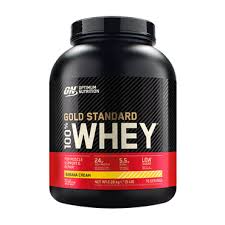
ON Gold Standard is actually a blend with whey isolate as the primary ingredient, which gives you some isolate benefits at a more reasonable price than pure isolate products.
BROWSE WHEY ISOLATE ON AMAZON UK →
When Hydrolysed Whey Makes Sense
Almost never for regular gym-goers. Here is the honest truth:
Hydrolysed whey absorbs slightly faster than regular whey. But the practical difference this makes to muscle building is negligible. You are paying 2-3x more for a benefit you will never notice.
The only people who might genuinely benefit from hydrolysed whey are elite athletes training multiple times per day who need the fastest possible recovery between sessions. If that is not you — and it is not most of us — save your money.
Hydrolysed whey also tends to taste bitter due to the broken-down peptides. Many people find it significantly less enjoyable to drink than concentrate or isolate.
The Price Reality Check
Let me show you what the price difference actually looks like over a year:
| Type | Avg Price/kg | Daily Cost (2 scoops) | Monthly Cost | Yearly Cost |
|---|---|---|---|---|
| Concentrate | £18 | £1.08 | £33 | £394 |
| Isolate | £32 | £1.92 | £58 | £701 |
| Hydrolysed | £45 | £2.70 | £81 | £986 |
Switching from isolate to concentrate saves you roughly £300 per year. Switching from hydrolysed to concentrate saves you nearly £600 per year. For the same muscle-building results.
That £300-600 could buy you a gym membership, better food, or a holiday. The protein will build the same amount of muscle regardless.
What About Blends?
Many protein powders contain a blend of concentrate and isolate. ON Gold Standard is a good example — it lists whey isolate as the first ingredient (meaning it is the most abundant) but also contains concentrate and a small amount of hydrolysed whey.
Blends can be a good middle ground. You get some of the benefits of isolate (higher protein percentage, less lactose) at a price point between pure concentrate and pure isolate.
Frequently Asked Questions
Is whey isolate better than concentrate?
Not for muscle building — the results are the same. Isolate is only “better” if you are lactose intolerant or need the absolute leanest macros. For everyone else, concentrate is better value.
I am slightly lactose sensitive — should I get isolate?
Try a good quality concentrate first. Many people with mild lactose sensitivity tolerate whey concentrate fine, especially products like ON Gold Standard which has isolate as the primary ingredient. If that still causes issues, then switch to a pure isolate or try beef protein which is completely dairy-free.
What is the best type for weight loss?
Any type works for weight loss — what matters is your total calorie intake. Isolate has marginally fewer calories per serving (maybe 10-15 kcal less), but this difference is insignificant in the context of your overall diet.
Is concentrate lower quality?
No. Concentrate is simply less processed. The protein itself is the same molecule. A high-quality concentrate from a reputable brand is better than a poorly made isolate from an unknown brand.
Why do some brands push isolate so hard?
Because they can charge more for it. The profit margin on isolate is higher for supplement companies. Marketing departments love words like “pure” and “premium” because they justify higher prices. Do not fall for it unless you have a genuine reason to choose isolate.
My Recommendation
Buy whey concentrate unless you are lactose intolerant. Spend the money you save on better food, a good gym membership, or more protein to increase your daily intake.
If you want my specific product recommendations:
- Best concentrate: Applied Nutrition Critical Whey — outstanding value
- Best blend (isolate + concentrate): ON Gold Standard — the all-rounder
- Best dairy-free alternative: NXT Beef Protein Isolate — zero dairy
- Full comparison: Best Whey Protein UK 2026
Stop overthinking the type of whey. Start focusing on actually eating enough protein consistently. That is what builds muscle.
Read more:
- Best Whey Protein UK 2026
- Best Cheap Protein Powder UK
- Whey vs Casein: Which Is Better?
- How Much Protein Do You Need Per Day?
- My Complete Daily Supplement Stack
Last updated: March 2026. Prices are approximate UK averages and may vary by brand and retailer.