
Disclosure: As an Amazon Associate I earn from qualifying purchases. This means if you click on a link and make a purchase, I may receive a small commission at no extra cost to you.
Omega-3 fish oil is one of the most studied supplements on the planet. Billions of capsules are sold every year, and for once, the science actually backs up the hype. If you eat oily fish 2-3 times per week, you probably do not need it. Most people in the UK do not.
This guide covers the best omega-3 fish oil supplements available in the UK right now, what to look for on the label, and why most cheap options are not worth buying.
Why Omega-3 Actually Matters
Omega-3 fatty acids — specifically EPA and DHA — are essential fats your body cannot produce on its own. You must get them from food or supplements. The research on omega-3 is extensive and covers:
- Heart health — reduces triglycerides, lowers blood pressure
- Joint health — reduces inflammation, helps with stiffness
- Brain function — DHA is a structural component of brain tissue
- Recovery — reduces exercise-induced muscle soreness
- Mood — linked to reduced symptoms of depression
The NHS recommends at least one portion of oily fish per week. Most UK adults fall short of this, which is why omega-3 supplementation makes sense for most people.
Fish Oil vs Krill Oil: Which Is Better?
Fish oil and krill oil both provide EPA and DHA, but there are differences worth knowing:
| Factor | Fish Oil | Krill Oil |
|---|---|---|
| EPA/DHA dose per capsule | Higher (300-800mg+) | Lower (100-200mg) |
| Bioavailability | Good | Slightly better |
| Fishy aftertaste | Common in cheap brands | Minimal |
| Price per gram EPA/DHA | Cheaper | More expensive |
| Contains astaxanthin | No | Yes (antioxidant) |
| Sustainability | Varies by brand | Generally better |
My recommendation: Fish oil is better value for pure omega-3 content. Krill oil is worth paying more for if you want the astaxanthin benefit and prefer no fishy taste. I personally take krill oil, but both work well.
Best Omega-3 Fish Oil UK (My Top Picks)
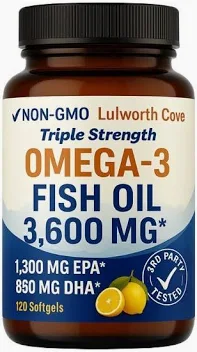
1. Triple Strength Omega 3 Fish Oil
Why I recommend it: Triple strength means you get 3x the EPA/DHA per capsule compared to standard fish oil. Instead of taking 3-4 capsules to hit a meaningful dose, you take one. Simple, convenient, no fishy burps.
Dose: 1,000mg omega-3 per capsule (typically 660mg EPA + 440mg DHA). That is a genuinely useful therapeutic dose.
Best for: Anyone who wants maximum EPA/DHA without swallowing handfuls of capsules.
2. Nutravita Omega 3 Capsules
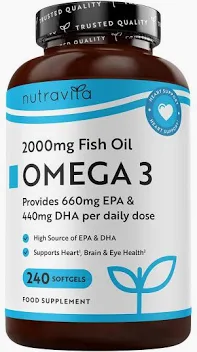
Why I recommend it: Nutravita is a popular UK brand with consistently good reviews on Amazon. Their omega-3 capsules offer solid EPA/DHA content at a competitive price. Enteric-coated options are available to eliminate any fishy aftertaste.
Best for: Value shoppers who want a reliable UK brand without paying premium prices.
3. Zipvit Omega 3 Fish Oil
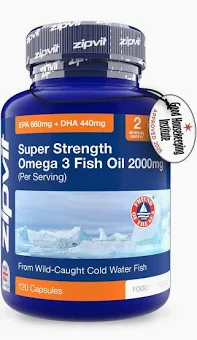
Why I recommend it: Zipvit is a well-established UK supplement brand. Good quality control, clear labelling showing exact EPA/DHA content, and often available in larger quantities for better value.
Best for: Budget-conscious buyers who still want a reputable UK brand.
What to Look for on the Label
Most people buy fish oil based on the headline number (e.g. “1000mg Fish Oil”) without realising the EPA/DHA content is what actually matters. Here is how to read a fish oil label:
- Total fish oil (mg) — the weight of the oil in each capsule. Mostly irrelevant on its own.
- EPA (eicosapentaenoic acid) — the anti-inflammatory omega-3. Aim for 400mg+ per day minimum.
- DHA (docosahexaenoic acid) — the brain-supporting omega-3. Aim for 200mg+ per day.
- Combined EPA + DHA — look for at least 600mg per day for general health benefits.
A “1000mg fish oil capsule” from a cheap brand might only contain 180mg EPA + 120mg DHA — a total of 300mg of actual omega-3. You would need to take 2-3 per day to get a useful dose. A triple strength capsule gives you the full dose in one.
How Much Omega-3 Do You Need?
For general health maintenance, 500mg-1000mg combined EPA/DHA per day is the standard recommendation. For specific purposes like reducing triglycerides or managing inflammation, research suggests 2000-4000mg EPA/DHA daily — but that requires higher-dose prescription products.
For most people reading this: aim for 1000mg EPA/DHA per day. One triple-strength capsule handles this perfectly.
Fish Oil vs Eating Fish
Eating oily fish (salmon, mackerel, sardines, herring) 2-3 times per week provides roughly the same omega-3 as daily supplementation — and comes with additional protein and vitamins. If you regularly eat oily fish, you probably do not need to supplement.
But most UK adults eat oily fish once per week at best. For that majority, omega-3 supplementation is a sensible, low-cost insurance policy.
Should You Take Fish Oil or Krill Oil?
Take fish oil if: you want the best value per gram of EPA/DHA, you do not mind taking a slightly larger capsule.
Take krill oil if: you want additional antioxidant (astaxanthin) benefits, you prefer a smaller capsule with no fishy taste, and you are happy to pay a bit more.
I take krill oil personally, but I have no problem recommending triple-strength fish oil to anyone watching their budget.
Frequently Asked Questions
Can I take fish oil and krill oil together?
Yes, but there is no need. Both provide EPA and DHA. Taking both is just doubling your omega-3 intake, which is not harmful but is unnecessary and expensive. Pick one.
When is the best time to take fish oil?
With food — ideally with a meal that contains fat, which improves absorption. Many people take it at breakfast or with their evening meal.
Does fish oil cause fishy burps?
Cheap, low-quality fish oil often does. Higher quality products, enteric-coated capsules, and taking fish oil with food largely eliminates this. The krill oil alternative has minimal aftertaste by comparison.
Is omega-3 safe to take every day?
Yes. Up to 3,000mg EPA/DHA per day is considered safe for most adults. If you are on blood thinners, check with your GP first as high-dose omega-3 can have mild anticoagulant effects.
The Bottom Line
Omega-3 is one of the few supplements with genuinely robust research behind it. If you do not eat oily fish regularly, supplementing with fish oil or krill oil is one of the smartest, cheapest health decisions you can make.
For value: triple strength fish oil. For convenience and no fishy taste: krill oil. Either way, the daily cost is pennies and the benefits accumulate over months and years.
Last updated: March 2026. Prices may vary. All products personally reviewed. As an Amazon Associate I earn from qualifying purchases.