
Disclosure: As an Amazon Associate I earn from qualifying purchases. This means if you click on a link and make a purchase, I may receive a small commission at no extra cost to you.
Most people who start lifting assume protein powder means whey. It is the default — and for good reason. But there is a legitimate alternative that most beginners never consider: beef protein isolate. I have used both extensively, and both absolutely work for building muscle. The question is which one suits you specifically.
This is not a debate about which protein is “better.” Both build muscle at the same rate when protein targets are met. This is about helping you choose the right one for your situation — your diet, your digestion, your taste preferences, and your budget.
Quick Verdict
| Category | Beef Protein | Whey Protein | Winner |
|---|---|---|---|
| Protein per serving | ~25-28g | ~24-25g | Tie |
| Calories | ~100-110 kcal | ~110-130 kcal | Beef (leaner) |
| Fat content | 0g | 1-3g | Beef |
| Dairy-free | Yes | No | Beef |
| Taste variety | Fruity/juice-like | Creamy/milkshake | Preference |
| Mixability | Excellent | Excellent | Tie |
| Price per serving | Higher | Lower | Whey |
| Research backing | Good | Extensive | Whey |
| UK availability | Good | Excellent | Whey |
| Digestion (sensitive) | Superior | Can cause issues | Beef |
| Overall default choice | Whey (for most people) |
What Is Whey Protein?
Whey is a byproduct of cheese production. When milk is processed, it separates into curds (used for cheese) and liquid whey. That liquid is then filtered, dried, and turned into the powder you mix into your shaker bottle.
It comes in three main forms: concentrate (cheapest, ~70-80% protein), isolate (more processed, ~90%+ protein, less fat and lactose), and hydrolysate (pre-digested, fastest absorbing, most expensive). For most people, concentrate or isolate is the right choice. I explain the differences in detail in my whey concentrate vs isolate guide.
Whey is the most researched protein supplement in existence. Decades of studies confirm it builds muscle, supports recovery, and delivers a complete amino acid profile — particularly high in leucine, which is the key amino acid for triggering muscle protein synthesis. It is the reason whey became the default protein powder for gym-goers worldwide.
The taste is creamy and milkshake-like. Chocolate, vanilla, strawberry — these are the classic flavours that most people grew up with. If you want something that feels like a treat after training, whey delivers that experience consistently.
What Is Beef Protein?
Beef protein isolate is made from processed beef — typically from collagen-rich parts of the animal that are hydrolysed and then filtered to remove fat and carbohydrates. The end result is a powder that is almost pure protein with essentially zero fat and zero carbs.
Here is the most important thing most people do not know: beef protein does not taste like beef. Not even slightly. Beef protein is almost always sold in fruity flavours — watermelon, tropical, berry, orange. You mix it with water and it is more like a juice or a cordial than a protein shake. It is actually quite refreshing, especially in summer or after a hot session.
Because it contains no dairy at all, beef protein is completely suitable for people who are lactose intolerant or have a dairy allergy. It is also popular with people following paleo or keto diets, since it contains no carbohydrates and fits cleanly into most dietary frameworks.
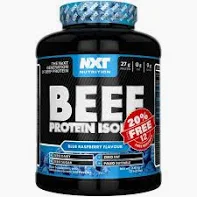
The brand I have personally used and reviewed is NXT Nutrition Beef Protein Isolate. Their watermelon flavour genuinely surprised me — I was expecting something weird and got something I actually look forward to drinking.
Nutritional Comparison
| Per Serving | Beef Protein (NXT 30g) | Whey Protein (ON Gold Standard 30g) |
|---|---|---|
| Protein | 26g | 24g |
| Calories | 103 kcal | 121 kcal |
| Fat | 0g | 1.1g |
| Carbohydrates | 0g | 1.9g |
| Sugar | 0g | 1g |
| Protein ratio | ~87% | ~80% |
| Dairy | None | Yes |
| Leucine content | Good | Higher |
On paper, beef protein has slightly cleaner macros — marginally more protein per calorie, zero fat, zero carbs. For someone on a strict cut who wants the leanest possible macros, beef protein has a small edge. In practice, the difference is minor and will not significantly affect your results either way.
One note on amino acids: whey protein has a higher leucine content than beef protein. Leucine is the amino acid most directly linked to triggering muscle protein synthesis. This does not mean beef protein is less effective — studies show it builds muscle at the same rate — but it is worth knowing that whey has a slight edge in the amino acid profile department.
Taste and Mixability
Whey Protein
Whey mixes into a thick, creamy shake. The texture is substantial — it fills you up, which is useful if you are using protein as a meal replacement or post-workout recovery drink. The flavour profile leans heavily into dessert territory: chocolate brownie, banana cream, cookies and cream. Some people love this. Some people get bored of it after a few months.
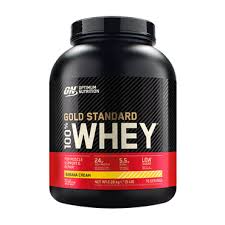
Mixability in whey is generally excellent. The best products (like ON Gold Standard and Applied Nutrition Critical Whey) dissolve completely with a quick shake — no lumps, no gritty texture. Cheaper concentrates can be a bit more inconsistent.
Beef Protein
Beef protein mixes into a thin, clear-ish liquid — much more like a juice or a flavoured drink than a thick shake. This is a completely different experience and some people actually prefer it, especially if they find whey too heavy or filling. After a hard session in summer heat, a cold watermelon beef protein hits differently from a thick chocolate shake.
Because it is an isolate and hydrolysate, beef protein tends to dissolve easily in water — sometimes even better than whey, with less foam. You can mix it in a regular glass with a spoon, not just a shaker.
Digestion
This is where beef protein wins clearly for a specific group of people. Whey protein contains lactose — less so in isolate form, but still present in concentrate. For people who are lactose intolerant, whey can cause bloating, gas, and digestive discomfort. If you have ever felt uncomfortable after a whey shake, this could be why.
Beef protein contains absolutely no dairy and no lactose. For anyone with dairy sensitivity, it is a direct solution that does not require any compromise on protein quality.
For people who digest whey without any issues, there is no meaningful digestion difference. Both absorb efficiently and both are well-tolerated. This factor only matters if dairy is a problem for you specifically.
Price Comparison UK
| Beef Protein (NXT 1.8kg) | Whey — ON Gold Standard 2.27kg | Whey — MyProtein 2.5kg (on sale) | |
|---|---|---|---|
| Price per tub | ~£40-45 | ~£55-65 | ~£25-35 |
| Servings per tub | ~60 | ~75 | ~100 |
| Price per serving | ~£0.70 | ~£0.80 | ~£0.28 |
| Monthly cost (2/day) | ~£42 | ~£48 | ~£17 |
Beef protein is more expensive per serving than budget whey options, particularly when you compare it against MyProtein during a sale. It is roughly comparable to premium whey like ON Gold Standard. If budget is a major factor, whey — especially cheaper brands or sale prices — wins by a significant margin.
Who Should Buy Beef Protein?
- You are lactose intolerant or have a dairy allergy
- You follow a paleo, keto, or dairy-free diet
- You are bored of creamy shakes and want something refreshing and juice-like
- You want the absolute leanest macros (0g fat, 0g carbs per serving)
- You want to try something different without compromising on muscle-building results
- You train in summer and want a cold, refreshing post-workout drink
SHOP BEEF PROTEIN ISOLATE ON AMAZON UK
Who Should Buy Whey Protein?
- You are new to protein supplements and want the proven, default choice
- You want creamy, milkshake-style flavours (chocolate, vanilla, strawberry)
- Budget is a priority — whey on sale is significantly cheaper per serving
- You want the most extensively researched supplement on the market
- You have no issues digesting dairy
- You want the widest possible choice of brands and flavours in the UK
SHOP WHEY PROTEIN ON AMAZON UK
Can You Use Both?
Yes — and I do. There is no conflict whatsoever between using both protein types. Protein is protein. Whether it comes from whey or beef, your body breaks it down into amino acids and uses them to repair and build muscle. The source does not matter once it is digested.
My personal approach: whey is my daily default after training. It is filling, it tastes like a treat, and it is cost-effective at scale. Beef protein is something I reach for occasionally — in summer when I want something cold and refreshing, or when I am travelling and want something lighter. Having both in the cupboard gives me flexibility without any downside.
If you are trying beef protein for the first time, I would suggest buying a smaller tub first to confirm you like the taste before committing to a large bag. The fruity juice-style is genuinely different from whey and most people either love it or find it too unusual for daily use.
Frequently Asked Questions
Does beef protein taste like beef?
No. Not at all. Beef protein isolate is heavily processed and filtered to remove all meat characteristics. It is sold in fruity flavours — watermelon, tropical, berry — and tastes like a flavoured sports drink or juice. Anyone expecting a savoury, meaty experience will be completely surprised by how normal it tastes.
Is beef protein as effective as whey for building muscle?
Yes. Studies comparing beef protein isolate and whey protein show equivalent muscle-building outcomes when total protein intake is matched. Both contain a complete amino acid profile and both support muscle protein synthesis. The slight difference in leucine content does not translate into meaningful differences in real-world muscle gain.
Is beef protein better for cutting?
Slightly, on paper. With 0g fat, 0g carbs, and around 100 calories per serving, beef protein has marginally cleaner macros than whey concentrate. If you are counting every calorie on a strict cut, beef protein gives you more protein per calorie. In practice, the difference is minor — a few grams of fat and carbs in a whey serving will not make or break your cut.
Can I bake with beef protein?
Not easily. Beef protein is hydrolysed and tends to come in fruity flavours that do not work well in baked goods. Whey protein (especially unflavoured) is much better suited for protein baking. If you want to bake protein pancakes, cookies, or muffins, stick to whey.
Which has more leucine?
Whey protein has a higher leucine content per gram than beef protein. Leucine is the primary amino acid that triggers muscle protein synthesis. However, both proteins provide sufficient leucine to maximally stimulate muscle building at normal serving sizes — the difference is not practically significant for most people.
Is beef protein suitable for vegetarians?
No. Beef protein is derived from cattle and is not suitable for vegetarians or vegans. For plant-based options, look at pea protein, rice protein, or blended plant protein powders.
My Final Verdict
For most people starting out: buy whey protein. It is cheaper, more widely available, has more flavour options, and has decades of research behind it. It is the default for a reason. My top pick is Applied Nutrition Critical Whey for value, or ON Gold Standard if you want the premium experience.
For dairy-free / lactose intolerant: beef protein is an excellent solution. It delivers equivalent muscle-building results without any dairy content. The taste is different but genuinely enjoyable once you get used to it.
For variety seekers: try both. Using whey as your daily driver and beef protein occasionally is a perfectly sensible approach that gives you the best of both worlds — cost-effectiveness plus the option of something refreshing and different when you want it.
Read more:
- Best Whey Protein UK 2026: All Brands Compared
- NXT Beef Protein Isolate Review UK
- How Much Protein Do You Actually Need Per Day?
- Best Cheap Protein Powder UK
- Whey Concentrate vs Isolate Explained
Last updated: March 2026. All opinions based on personal experience using both protein types. Prices are approximate UK averages and may vary.