Disclosure: As an Amazon Associate I earn from qualifying purchases. This means if you click on a link and make a purchase, I may receive a small commission at no extra cost to you.
Whey and casein are both dairy proteins that come from milk. They are the two most popular protein supplements on the market, but they work differently. If you are standing in a shop or scrolling through Amazon wondering which one to buy, this guide will give you a clear answer.
I have used whey protein for years and have experimented with casein too. Here is the honest breakdown of both, when to use each, and which one deserves your money.
Quick Answer: Which One Should You Buy?
| Situation | Buy This |
|---|---|
| You can only buy ONE protein | Whey protein |
| Post-workout shake | Whey protein |
| Before bed shake | Casein (or just whey — it still works) |
| Weight loss / staying full | Casein |
| Best value for money | Whey protein |
| Baking and cooking | Casein (thicker texture) |
| General daily use | Whey protein |
Bottom line: If you are buying one protein supplement, buy whey. It is more versatile, cheaper, mixes better, and works perfectly fine at any time of day including before bed.
What Is the Actual Difference?
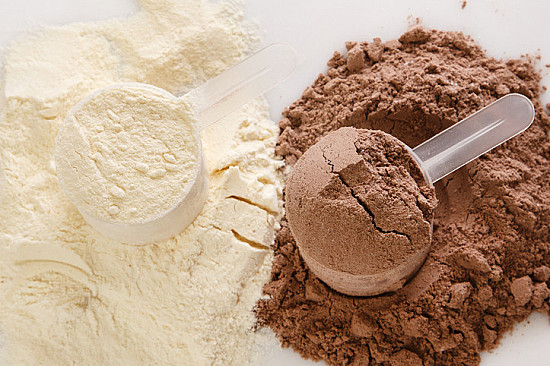
Both whey and casein come from milk. When milk is processed to make cheese, it separates into two parts: the liquid part (whey) and the solid part (casein). About 80% of milk protein is casein and 20% is whey.
Whey Protein
- Digests quickly (absorbed within 1-2 hours)
- High in leucine (the key amino acid for triggering muscle protein synthesis)
- Mixes easily into a smooth shake
- Generally cheaper per serving
- Available in concentrate, isolate, and hydrolysed forms
Casein Protein
- Digests slowly (absorbed over 5-7 hours)
- Provides a steady stream of amino acids
- Thicker, creamier texture
- More filling — keeps you feeling fuller for longer
- Usually micellar casein is the best form
Head-to-Head Comparison
| Factor | Whey Protein | Casein Protein | Winner |
|---|---|---|---|
| Digestion speed | Fast (1-2 hours) | Slow (5-7 hours) | Depends on goal |
| Protein per serving | 22-25g | 22-24g | Tie |
| Leucine content | Higher | Lower | Whey |
| Mixability | Smooth, thin | Thick, can be clumpy | Whey |
| Taste | Generally better | Decent but thicker | Whey |
| Price (UK average) | £20-30/kg | £25-40/kg | Whey |
| Satiety (fullness) | Moderate | High | Casein |
| Best timing | Anytime | Before bed / between meals | Whey (versatility) |
| Muscle building | Excellent | Excellent | Tie |
| Availability UK | Everywhere | Less common | Whey |
Does Science Say One Is Better for Muscle?
Here is what the research actually shows:
For overall muscle building — there is no significant difference between whey and casein when total daily protein intake is the same. A 2019 systematic review found that both proteins produce similar muscle gains over time. The type matters far less than the total amount you eat per day.
For acute muscle protein synthesis — whey causes a faster, bigger spike in muscle protein synthesis immediately after consumption. This is why it is often recommended post-workout. However, casein provides a longer, more sustained release of amino acids.
For fat loss — casein may have a slight advantage because its slow digestion keeps you fuller for longer, which can help control appetite during a calorie deficit.
In practical terms, the differences are small. If you are eating enough total protein (check my guide on how much protein you need per day), the type of protein supplement you use makes minimal difference to your results.
When Whey Protein Is the Better Choice
- Post-workout: Fast absorption means amino acids reach your muscles quickly
- When you are on a budget: Whey is almost always cheaper per serving
- When mixability matters: Whey blends smoothly with just water and a shaker
- As your main daily protein: More versatile for shakes, smoothies, and baking
- If you only want one protein: Whey covers all bases adequately
My top whey protein recommendations for UK buyers:
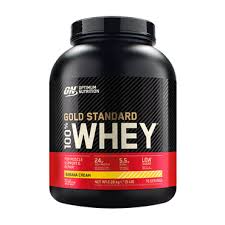
- Optimum Nutrition Gold Standard — best overall
- Applied Nutrition Critical Whey — best value
BROWSE WHEY PROTEIN ON AMAZON UK →
When Casein Protein Is the Better Choice
- Before bed: Slow release provides amino acids throughout the night while you sleep and recover
- Between meals when dieting: Keeps you fuller for longer, helping control cravings
- Making protein pudding: Casein mixed with a small amount of water makes a thick, pudding-like consistency that feels like a dessert
- If you go long periods without eating: The sustained release covers you for hours
BROWSE CASEIN PROTEIN ON AMAZON UK →
Can You Just Use Whey Before Bed Instead?
Yes, honestly you can. While casein is technically the “optimal” choice before sleep due to its slow release, using whey before bed is still far better than having no protein at all. The difference between whey and casein at bedtime is marginal in the real world.
I personally use whey protein before bed sometimes and have never noticed any difference in recovery compared to when I have had casein. If you do not want to buy two separate proteins, just use whey for everything.
What About Milk?
Fun fact — milk naturally contains both whey and casein protein in an 80:20 ratio (casein to whey). A pint of whole milk gives you about 18g of protein with a natural blend of fast and slow digesting protein.
If you are looking for a cheap bedtime protein source, a large glass of milk is honestly not a bad option.
The “Protein Blend” Option
Some protein powders contain a blend of both whey and casein. This gives you the fast-acting benefits of whey with the sustained release of casein in one product. ON Gold Standard Whey actually contains a small amount of hydrolysed whey alongside whey isolate and concentrate, giving it a slight blend effect.
Dedicated blend products exist too, but they are less common in the UK and often overpriced. You are better off just buying a good whey protein and using it consistently.
Frequently Asked Questions
Can I take both whey and casein?
Absolutely. Some people use whey post-workout and casein before bed. This is perfectly fine but not essential. If budget is a concern, just buy whey and use it for both.
Is casein harder to digest?
Casein is slower to digest by design, but this should not cause discomfort for most people. If you have dairy sensitivity issues, you may find casein slightly harder on your stomach than whey isolate.
Which is better for weight loss?
Casein has a slight advantage for weight loss because it keeps you feeling full for longer. However, the most important factor for weight loss is total calorie intake, not which type of protein you use. Either one works fine in a calorie deficit.
Is casein safe to take every day?
Yes, casein is just a natural dairy protein. It is no different from eating cheese or yoghurt in terms of safety. It is perfectly fine to take daily as part of a balanced diet.
Why is casein more expensive than whey?
Casein requires more processing to extract and is produced in smaller quantities than whey. The smaller market also means fewer brands competing on price. Expect to pay 20-40% more per serving compared to whey.
My Recommendation
Buy whey protein. Unless you have a very specific reason to buy casein (like you specifically want a before-bed protein or you are on a strict cutting diet), whey does everything you need at a better price.
I have used whey protein at all times of day — morning, post-workout, before bed — and it works perfectly fine for all of them. The difference between whey and casein for the average gym-goer is honestly not worth the extra cost.
If you want the best whey protein in the UK, check out my full comparison guide where I rank the top 5 brands based on real experience.
SHOP WHEY PROTEIN ON AMAZON UK →
Read more:
- Best Whey Protein UK 2026: Full Comparison
- Optimum Nutrition Gold Standard Review
- Applied Nutrition Critical Whey Review
- How Much Protein Do You Need Per Day?
- My Complete Daily Supplement Stack
Last updated: March 2026. Prices may vary. All opinions are based on personal experience and research.